
Exercising During The Perimenopause and Menopause
Why Exercise Matters During Perimenopause and Menopause
As women go through perimenopause and menopause, their bodies experience big changes — especially when it comes to hormones. These shifts can affect everything from energy levels and mood to bone strength and heart health.
Staying active during this time isn’t just about keeping fit. Exercise can help reduce common symptoms like hot flashes, sleep problems, and mood swings. It also plays a key role in preventing long-term health issues like osteoporosis, heart disease, and type 2 diabetes.
You don’t need to hit the gym every day or do high-intensity workouts to feel the benefits. Gentle activities like walking, yoga or swimming can be just as helpful. The important thing is to keep moving — regularly and in a way that feels right for you.
In this article, we’ll explore how physical activity supports your body during midlife and beyond, the types of exercise that are most helpful, and how to get started — even if you're feeling tired or overwhelmed.
The Benefits of Exercise During Perimenopause and Menopause
Getting active during perimenopause and menopause can make a big difference to your health and how you feel each day. The key is to find something you enjoy — whether it's walking, dancing, lifting weights, or doing yoga. You don’t have to be perfect or push yourself too hard. Start slow, listen to your body, and build up gradually over time.
- Stronger bones: As estrogen levels drop, bones can become weaker, which increases the risk of osteoporosis. Weight-bearing exercises like walking, running, or strength training help keep bones strong by encouraging your body to build and maintain bone mass.
- Maintains muscle and boosts metabolism: We naturally lose muscle as we age, but regular movement helps slow this down. Keeping your muscles strong improves balance, reduces the risk of falls, and helps your body burn more energy — even at rest.
- Protects your heart: After menopause, the risk of heart disease rises. Exercise helps by lowering blood pressure, improving cholesterol levels, and supporting overall heart health.
- Helps with weight management: Hormonal changes during menopause can lead to more weight gain around the middle. Staying active helps prevent this and lowers the risk of conditions like diabetes, heart disease, and certain cancers.
- Boosts your mood and energy: Many women experience low mood, stress, or tiredness during this time. Physical activity releases endorphins — chemicals in the brain that make you feel happier and more energized.
- Supports mental well-being: Regular movement is linked to better sleep, clearer thinking, and improved self-confidence. It can also help ease anxiety and increase motivation.
Despite all these benefits, many women in midlife aren’t moving as much as they could — often because of time pressures, fatigue, or lack of motivation. But even small amounts of activity can help. Every step counts, and it’s never too late to start.
Simple Ways to Get Moving Every Day
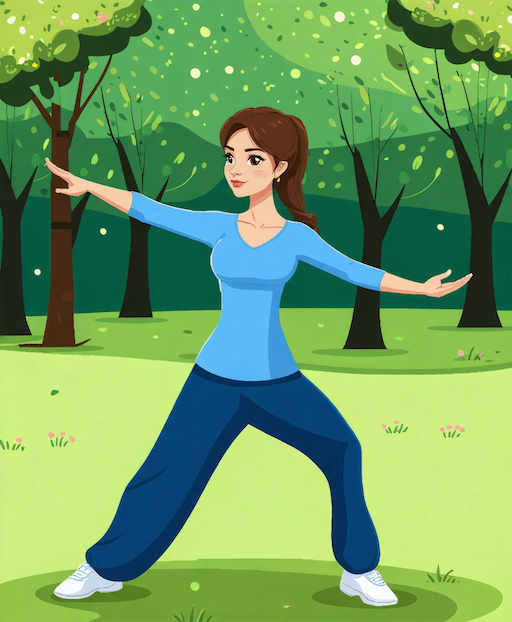
Long periods of sitting — whether you're working, watching TV, or just relaxing — can raise your risk of heart disease. But the good news is that even short bursts of movement can make a difference. These little bursts are called “exercise snacks.”
Exercise snacks are small activities that take just 30 seconds to five minutes, but they help boost your energy, get your blood flowing, and support your heart. They’re easy to do and don’t require a gym or special equipment.
Here are some quick ways to add movement into your day:
- Do a few stretches when you get up or during a break
- Try a set of sit-ups or push-ups between tasks
- Do a round of squats or lunges while waiting for the kettle to boil
- Get your heart rate up with jumping jacks or jogging on the spot
- Take a brisk 5-minute walk around the house, office, or outside
These small movements add up over time and are a great first step if you're just starting to become more active.
What Kinds of Exercise Are Most Helpful During Menopause?
If you're looking to build a routine, here's a flexible plan that supports your heart, muscles, bones, and mental well-being — all areas affected during perimenopause and menopause.
- Move every day: Aim to walk throughout the day — try reaching 7,000 to 9,000 steps if you can. Even light movement helps with energy, mood, and heart health.
- Do strength training 2–3 times a week: As we age, we naturally lose muscle and bone strength. Strength exercises like lifting weights, using resistance bands, or bodyweight moves (like squats and push-ups) can help keep your body strong and reduce the risk of osteoporosis and falls.
- Get your heart pumping: Try for about 150 minutes of moderate to vigorous activity a week. That could mean brisk walking, swimming, cycling, dancing — anything that gets you a bit out of breath and makes your heart work harder.
If you're new to exercise, don’t worry. These are just goals to work towards — you don’t have to do everything at once. Start small, go at your own pace, and focus on what feels good for you.

Nutrition During Menopause: What to Eat and Why It Matters
Eating well can make a big difference during menopause. A balanced diet helps manage weight, ease common symptoms like tiredness or bloating, and even lower your risk of long-term health issues like heart disease and osteoporosis.
The right foods can boost your energy, support bone health, balance your hormones, and keep your mood more stable. Here's what to focus on:
1. Eat More of the Good Stuff
- Fill your plate with vegetables, whole grains, lean protein, and healthy fats like oily fish, avocado, nuts, seeds, and olive oil.
- Calcium is key for strong bones — especially after menopause when lower oestrogen levels can weaken them. Good sources include leafy greens, dairy, tofu, canned fish with bones, and fortified plant milks. You can check your calcium intake using the Royal Osteoporosis Society’s online calculator.
2. Choose Smart Carbs
Swapping white bread, white rice and other processed carbs for options like wholegrain bread, brown rice, sweet potatoes, and lentils can help keep your blood sugar steady and reduce mood swings. These are called low glycaemic (low-GI) carbs and may also help if you’re at risk of insulin resistance.
3. Support Your Gut
Many women notice more bloating or digestive discomfort around menopause. Eating plenty of fibre supports good digestion, hormone balance and overall gut health. It also helps with cholesterol, blood sugar and regular bowel movements. Aim for around 30 grams of fibre per day from foods like whole grains, fruits, vegetables, beans, and seeds.
4. Get Enough Protein
Protein helps maintain muscle, supports energy, and provides important nutrients like iron. Try to include a mix of protein sources such as eggs, lean meat, fish, poultry, beans, lentils, tofu, and nuts.
Combining protein-rich foods with strength-building exercises is especially helpful for maintaining muscle mass as you age. If you don’t eat fish, try plant-based omega-3 sources like chia seeds, flaxseeds, and rapeseed oil to get similar benefits.
Everyone’s needs are a little different, so the key is to find a balance that works for you and supports your overall health during this important stage of life.
Everyday Lifestyle Tips for Managing Menopause
Alongside healthy eating and exercise, simple changes to your daily routine can really help manage menopausal symptoms. From reducing screen time to getting better sleep, small adjustments can make a big difference.
1. Move More, Sit Less
Try to limit the amount of time you spend sitting each day — especially when it comes to recreational screen time. Aim for less than 8 hours of total sitting and keep TV and phone time under 3 hours. Make a habit of getting up regularly to stretch or walk around.
2. Prioritise Good Sleep
Getting 7 to 9 hours of quality sleep every night helps your body recover and regulate hormones. Try to go to bed and wake up at the same time each day, and avoid screens like phones or TVs for at least an hour before bed. Keep your bedroom cool, quiet, and screen-free for the best rest.
3. Lifestyle Habits That Can Help
- Stop smoking: Smoking can make hot flushes worse and increases your risk of serious health conditions. Quitting brings immediate benefits for your heart and lungs.
- Cut back on alcohol: Alcohol can affect your sleep and worsen hot flushes. It’s also high in calories and may lead to weight gain. Try to stay under 14 units per week.
- Watch out for spicy foods: Spices can trigger hot flushes by increasing blood flow to the skin. If you notice a pattern, try cutting back.
- Dress in layers: Light, breathable clothing and layers help you stay comfortable and cool — especially during a hot flush.
- Choose natural fabrics: Cotton and other non-synthetic materials keep you cooler and drier than synthetic fabrics.
- Keep cool at night: Open a window, use a fan, drink cold water, or try a cooling gel mat or pillow insert to help manage night sweats.
- Avoid long naps: Daytime naps can make it harder to sleep at night. If you need to rest, try a short 20-minute nap earlier in the day.
- Keep a diary: Track your hot flushes to help identify and avoid triggers like certain foods or environments.
- Use tools to relax: Try mindfulness or sleep apps like Calm or Headspace to help you unwind before bed.
4. Don’t Forget Vitamin D
Vitamin D is essential for bone health, especially after menopause. You can get some from sunlight — but in the UK, a supplement of 1000 IU is recommended from October to March. People with darker skin or limited sun exposure should consider taking it all year round.
5. Need Support?
If you have questions or concerns about your symptoms or lifestyle changes, don’t hesitate to reach out to a doctor or nurse. They’re there to help you find what works best for your body and lifestyle.
Getting Started with Exercise
If you're new to exercise, you're not alone — many adults aren’t as active as they’d like to be. The good news? It’s never too late to start. And starting small is absolutely fine.
Whether it’s walking around your neighbourhood, trying a gentle yoga class, dancing in your kitchen, or going for a short bike ride — any movement is a step in the right direction. The best kind of exercise is the one you enjoy and want to keep doing.
You don’t have to go it alone either. Exercise can feel intimidating at first, so try joining a group class or asking a friend to be your workout buddy. Being part of a community helps build confidence and keeps you motivated.
Consistency is what really counts. As you move more, you’ll start to feel the benefits — not just physically, but mentally too. Exercise releases feel-good chemicals (called endorphins) that boost your mood. The more you enjoy it, the more likely you are to keep coming back for more.
What to Avoid When Starting Out
As you build your routine, keep a few simple “don’ts” in mind to stay safe and motivated:
- Don’t skip the warm-up: Give your body time to get ready by doing a few light movements before diving into your main workout. If you're strength training, warm up with bodyweight versions or lighter weights first.
- Don’t ignore rest days: Your body needs time to recover. Aim for at least two days a week where you’re not doing intense exercise. This doesn’t mean doing nothing — a gentle walk or stretching counts as active recovery.
- Don’t focus only on weight loss: After menopause, many women notice changes in body shape, especially around the tummy. But you can’t spot-reduce fat by targeting specific areas. Instead, focus on feeling strong, energised, and healthy overall.
- Don’t forget to enjoy it: Exercise shouldn’t feel like a punishment. It should boost your mood and leave you feeling better than when you started. Try different activities until you find what makes you smile — that’s the one to stick with.
Most importantly, listen to your body, celebrate your progress, and be kind to yourself. It’s not about perfection — it’s about progress and feeling good in your own skin.
Exercise and Menopause: Why Moving Your Body Matters
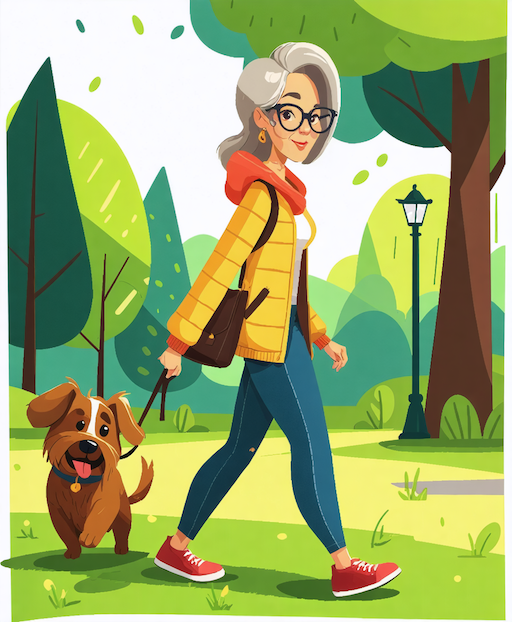
Exercise plays a powerful role in managing the symptoms of perimenopause and menopause. As hormone levels shift, many women experience changes in their mood, energy, sleep, and body composition. Staying active can make a big difference in how you feel during this time of life.
Regular physical activity helps to:
- Improve mood by releasing endorphins — your body’s natural feel-good chemicals
- Support healthy bones and reduce the risk of osteoporosis
- Boost energy and reduce fatigue
- Maintain a healthy weight and support heart health
- Improve sleep and reduce stress levels
You don’t have to run marathons or lift heavy weights to benefit. The best kind of exercise is the one you enjoy and will do regularly. Walking, dancing, yoga, swimming, strength training, or cycling — it all counts.
Starting can feel daunting, but remember: small steps lead to big changes. Try finding an activity you enjoy, invite a friend to join you, and build your confidence at your own pace. Consistency matters more than intensity.
Also, give your body time to rest. Recovery is important, especially as your body adapts to new routines. And most importantly, don’t make it all about weight loss — focus instead on how movement makes you feel stronger, calmer, and more in control.
During perimenopause and menopause, exercise isn’t just about fitness — it’s a form of self-care. By moving your body regularly, you're supporting your physical and mental wellbeing for the long term.