Hormone Based Treatment Options Part 1
Introduction
Hormone replacement therapy (HRT) is a widely used treatment for managing the symptoms of menopause by replacing the hormones your body naturally loses during this stage of life. In this article, we’ll explore the different types of HRT available, the various ways it can be taken, and how treatment is tailored depending on whether you've had a hysterectomy, your stage of menopause, and your personal needs. We'll also look at newer options such as testosterone and tibolone, and help you understand the benefits, risks, and considerations to discuss with your GP.

HRT Hormones
Hormone replacement therapy (HRT) works by replacing the hormones that your body starts producing less of during menopause. These hormones include oestrogen and progestogen, which play a crucial role in regulating menstrual cycles, ovulation, pregnancy, and bone health.
Menopause, which typically occurs between the ages of 45 and 55, marks the end of menstrual periods due to a natural decline in these hormone levels. However, it can also happen earlier and affects anyone who has periods.
HRT is generally available in two forms:
- Combined HRT – contains both oestrogen and progestogen.
- Oestrogen-only HRT – contains just oestrogen.
If you've had a hysterectomy: You will typically be prescribed oestrogen-only HRT, as there’s no risk of womb cancer without a uterus.
If you have not had a hysterectomy: You’ll usually need combined HRT, with both oestrogen and progestogen. This combination helps protect the lining of your womb from the risk of developing cancer.
Oestrogen can be taken in several ways, including tablets, skin patches, sprays, or gels. Progestogen can be taken as tablets or delivered through an intrauterine system (IUS) such as the Mirena coil. Some HRT products contain both hormones together in one form.
Although testosterone is not currently licensed specifically for menopause treatment, it may be prescribed by a specialist doctor if symptoms such as low libido persist despite standard HRT.
Ways of Taking HRT
Hormone replacement therapy is available in several forms, allowing treatment to be tailored to your preferences, lifestyle, and medical needs. Some methods may suit you better than others, and it’s common to try more than one before finding the right fit. Your GP can help guide you through the options.
Tablets
HRT tablets are taken daily and are one of the most common methods. Both oestrogen-only and combined forms are available in tablet form.
- Pros: Easy to take as part of a daily routine.
- Cons: Slightly increased risk of blood clots compared to other options like patches or gels.
Patches
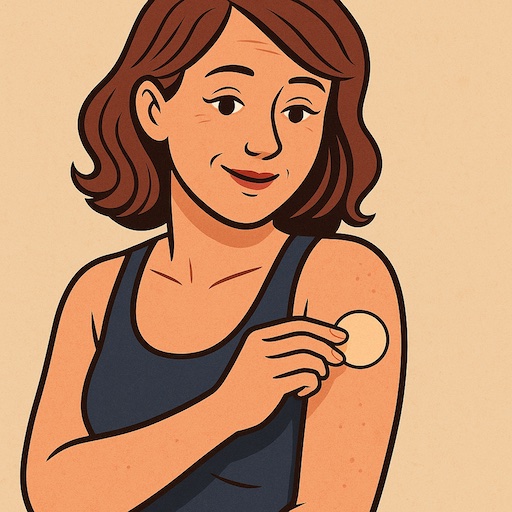
These stick to your lower body and release hormones gradually through the skin. You’ll usually replace the patch every few days, depending on the brand.
- Pros: Suitable if you have difficulty swallowing tablets or want to avoid daily pills. Lower risk of blood clots than tablets.
- Cons: May cause skin irritation or come loose if applied to moisturised skin.
Oestrogen Gel
This gel is applied directly to the skin and absorbed gradually. If you still have your womb, you'll also need to use a progestogen alongside it.
- Pros: Ideal if you prefer a non-tablet option. Does not increase the risk of blood clots.
- Cons: Needs time to dry, which can delay your morning routine.
Oestrogen Spray
This quick-drying spray is used once a day on the inner arm or thigh. Like the gel, it's oestrogen-only and must be paired with progestogen if you still have a womb.
- Pros: Simple and discreet. Low risk of blood clots.
- Cons: Requires waiting an hour before showering or bathing.
Intrauterine System (IUS)
The Mirena coil is placed in your womb and slowly releases progestogen. It’s often used alongside oestrogen tablets, gels, sprays, or patches.
- Pros: Lasts up to five years, provides contraception, and requires no daily effort.
- Cons: Can cause temporary discomfort, bleeding, or cramping after insertion.
Vaginal Oestrogen
This low-dose treatment comes as a cream, pessary, ring, or tablet placed directly in the vagina to ease local symptoms like dryness and discomfort during sex.
- Pros: Doesn’t carry the same risks as systemic HRT and doesn’t require progestogen, even if you still have your womb.
- Cons: Only treats vaginal symptoms and won’t help with hot flushes or sleep issues.
Emerging and Alternative Treatments
Alongside traditional forms of HRT, there are newer or alternative treatments that may help manage menopause symptoms, particularly where standard HRT isn’t fully effective. These options are often discussed with a specialist and may be suitable in specific situations.
Testosterone
Although commonly associated with men, women also produce testosterone, and levels decline gradually during menopause. This drop can contribute to fatigue, low mood, reduced sex drive (libido), and weakened bones.
Testosterone treatment is not currently licensed specifically for menopause, but it may be prescribed by a specialist if:
- You're post-menopausal
- You're experiencing a persistently low sex drive
- Standard HRT hasn’t been effective in improving libido
Testosterone is usually prescribed as a gel applied to the skin. While most people tolerate it well, possible side effects include acne, unwanted hair growth, and weight gain — though these are uncommon. It's also important to wash your hands after applying it and to cover the area to avoid transferring the hormone to others.
If you think testosterone might help you, speak to your GP about whether a referral to a specialist is appropriate.
Tibolone
Tibolone (brand name Livial) is a daily tablet that works in a similar way to combined HRT. It mimics the effects of oestrogen, progestogen, and testosterone, making it a potentially helpful option for managing a range of menopause symptoms.
It can be especially useful for treating hot flushes, low mood, and loss of libido. However, some studies suggest it may be slightly less effective than traditional combined HRT. Tibolone is only suitable for women who are post-menopausal — that is, at least one year since their last period.

HRT Treatment Regimens
The routine you follow when taking HRT depends on a few important factors, including whether you’ve had a hysterectomy, whether you're still having periods (perimenopausal), or whether it’s been over a year since your last period (postmenopausal).
If you’ve had a hysterectomy and are using oestrogen-only HRT, the treatment is usually taken daily. If you still have your womb and require both oestrogen and progestogen, your regimen will vary depending on your menopausal stage.
Sequential Combined HRT
This type of HRT is typically recommended during perimenopause, when you’re still having periods or your cycle is irregular. It mimics your natural hormone cycle and is available in tablet or patch form. There are two common approaches:
- Monthly HRT: You take oestrogen every day, and add progestogen for the last 10 to 14 days of each month. This is often used if you’re still having regular periods.
- Three-monthly HRT: You take oestrogen daily, with progestogen added for 10 to 14 days every three months. This is usually suggested if your periods are becoming less frequent.
You may experience a withdrawal bleed (similar to a period) after each progestogen phase. If you don’t, or if bleeding seems unusual, check in with your doctor.
As your menopause progresses, your doctor may switch you from sequential HRT to a continuous combined approach.
Continuous Combined HRT
Once you’re postmenopausal — typically defined as 12 months without a period — a continuous combined HRT regimen is often recommended. This means taking both oestrogen and progestogen every day, with no breaks.
This daily combination helps manage symptoms while reducing the risk of womb lining thickening, a side effect of taking oestrogen alone in women who still have their uterus.
Summary
This article explores hormone-based treatment options for menopause, focusing on Hormone Replacement Therapy (HRT). It covers the types of hormones used (oestrogen, progestogen, and testosterone), and explains how treatment is tailored depending on whether a person has had a hysterectomy or their stage of menopause. The article outlines the different ways HRT can be taken, such as tablets, patches, gels, sprays, and vaginal applications, as well as newer options like tibolone and testosterone for specific symptoms. It also details HRT regimens based on menopausal stage, helping readers understand which options may suit them best and what to discuss with a GP.