
Hormone Treatments Part 2
Is Hormone Therapy Right for Me?
Menopause can bring a wave of changes — from hot flashes and night sweats to vaginal dryness and mood swings. Hormone therapy (HT), also known as menopause hormone therapy, has long been used to relieve these symptoms by replacing the estrogen that naturally declines after menopause.
However, it’s not a one-size-fits-all solution. While HT can offer relief and long-term health benefits, such as protecting against bone loss and reducing the risk of type 2 diabetes or cardiovascular disease, it also comes with potential risks — including a higher chance of stroke, blood clots, or breast cancer, depending on your age, health history, and the type of hormones used.
This article will help you understand the pros and cons of hormone therapy, explore who it may benefit, and guide you in deciding — with your healthcare provider — whether it’s the right choice for you.

What Are the Main Types of Menopause Hormone Therapy?
Hormone therapy replaces the estrogen your body no longer produces after menopause. It is the most effective treatment for hot flashes, night sweats, and sleep disturbances, especially when started in early menopause. There are two main types of therapy:
1. Systemic Hormone Therapy (Whole-Body)
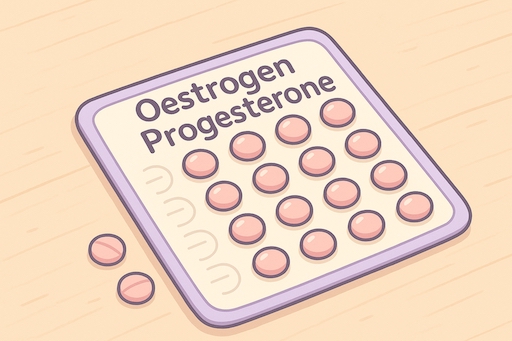
Systemic hormone therapy delivers estrogen — often combined with a progestogen — throughout the body. It comes in
several forms: pills, skin patches, gels, sprays, creams,
or vaginal rings. This type of therapy is effective for treating a range of menopause symptoms, including
hot flashes, night sweats, and bone loss.
2. Low-Dose Vaginal Estrogen Therapy
This form is applied directly to the vagina as a cream, tablet, or vaginal ring.
It uses much lower doses of estrogen, which means that very little is absorbed into the bloodstream. As a result, it’s mainly used
to treat genitourinary symptoms of menopause (GSM), such as vaginal dryness, itching,
or urinary discomfort.
If you still have your uterus, your doctor will typically prescribe estrogen plus a progestogen to protect the uterine lining and lower the risk of endometrial cancer. If your uterus has been removed, you may not need a progestogen and can take estrogen alone.
While systemic hormone therapy is very effective, it does come with some risks. These include an increased risk of blood clots and breast cancer, especially after several years of use. Your individual risk factors, health history, and age all play a role in determining whether hormone therapy is right for you.
What Are the Risks of Menopause Hormone Therapy?
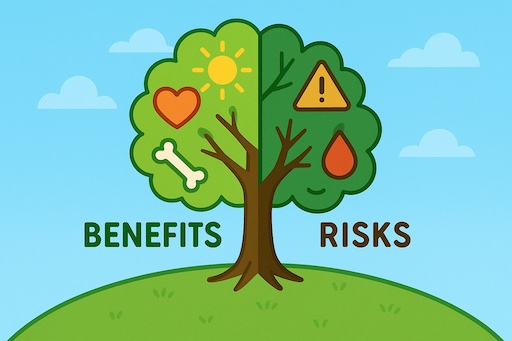
While menopause hormone therapy (HT) can be highly effective for relieving symptoms like hot flashes, night sweats, and vaginal dryness, it’s not without risks. These risks can vary depending on your age, health, and the type of therapy used.
Potential risks of hormone therapy include:
- Heart disease
- Stroke
- Blood clots (especially with oral forms of HT)
- Breast cancer (especially with long-term estrogen plus progestogen use)
- Gallbladder disease
- Endometrial (uterine) cancer (if estrogen is taken without progestogen and you still have a uterus)
These risks can be influenced by:
- Age and timing: Starting HT before age 60 or within 10 years of menopause tends to carry fewer risks and greater benefits.
- Type and dose: Risks differ depending on whether you take estrogen alone or with a progestogen, and the dose and method of delivery (oral vs. transdermal).
- Personal health history: Your risk for heart disease, cancer, stroke, or liver conditions can change how safe HT is for you.
Common side effects of hormone therapy can include breast tenderness, nausea, and irregular bleeding or spotting. These are usually not serious and can often be improved by adjusting the dose or type of HT.
Many women worry about weight gain with hormone therapy, but research shows HT is not linked to gaining weight. In fact, it may slightly reduce the risk of type 2 diabetes.
Despite the potential risks, hormone therapy also offers significant benefits:
- Relief from menopause symptoms like hot flashes, night sweats, and brain fog
- Improved vaginal health and reduction in painful intercourse
- Support for urinary health, including fewer UTIs and less overactive bladder symptoms
- Stronger bones and reduced risk of fractures
- Lower risk of heart disease when started early
- Reduced chance of developing type 2 diabetes
The decision to use HT is highly personal. If you’ve had a hysterectomy, you may only need estrogen (ET), which typically has fewer risks than estrogen plus progesterone therapy (EPT). If you still have your uterus, EPT is usually recommended to protect against uterine cancer.
Ultimately, you and your healthcare professional should carefully weigh the benefits and risks of hormone therapy based on your individual health history and personal preferences. In many cases, a period of trial and error may be needed to find the right dose and delivery method for you.
Menopause Hormone Therapy - Who Can Benefit
Menopause hormone therapy (HT) isn’t right for everyone, but for some women, especially those under age 60 or within 10 years of starting menopause, the benefits may outweigh the risks.
You may be a good candidate for HT if you:
- Experience moderate to severe hot flashes or night sweats — Systemic estrogen is one of the most effective ways to relieve these symptoms.
- Have bothersome vaginal or urinary symptoms — Estrogen can help ease dryness, irritation, and discomfort during intercourse. It may also improve bladder-related symptoms like urgency, burning, or recurrent infections.
- Need extra protection against bone loss — Estrogen can help prevent thinning bones and reduce fracture risk. Although other osteoporosis treatments are often preferred, HT may be considered if those aren't suitable for you.
- Have early menopause or low estrogen levels — If you entered menopause before age 45, or had your ovaries removed before age 40, HT may help protect your long-term health by reducing risks linked to prolonged low estrogen, such as heart disease, osteoporosis, cognitive decline, and mood disorders.
Every woman is different, and your age, symptoms, and medical history all play a role in determining whether hormone therapy is a good fit for you. A healthcare professional can help you decide if it’s the right approach.

What If I Can't Take Menopause Hormone Therapy?
Not every woman can safely use menopause hormone therapy (HT). If HT isn’t right for you due to your health history or personal preference, there are still several effective ways to manage menopause symptoms.
To manage hot flashes without hormones, consider:
- Weight loss — Maintaining a healthy weight can help reduce the frequency and intensity of hot flashes.
- Cognitive behavioral therapy (CBT) — A type of talk therapy that can improve how you experience and respond to symptoms.
- Clinical hypnosis — Studies suggest this technique may help reduce hot flashes in some women.
There are also nonhormonal prescription medications available to help with hot flashes. Talk to your healthcare professional to see if one is right for you.
For vaginal dryness and painful intercourse, options include:
- Vaginal moisturizers or lubricants — Available over-the-counter to provide relief from dryness and discomfort.
- Prescription medications like ospemifene (Osphena) or prasterone (Intrarosa) — These can help improve vaginal and bladder symptoms.
Who Should Not Use Hormone Therapy?
Hormone therapy isn’t suitable for everyone. In general, you should avoid HT if you have a history of:
- Breast cancer
- Uterine (endometrial) cancer
- Unexplained vaginal bleeding
- Liver disease
- Blood clots or deep vein thrombosis (DVT)
- Cardiovascular disease
Always consult your healthcare professional before starting or stopping any menopause treatments. They can help you weigh the potential risks and benefits based on your individual health profile.
Taking Hormone Therapy: How to Boost Benefits and Minimise Risks
If you and your healthcare professional decide that menopause hormone therapy (HT) is right for you, there are ways to make the treatment more effective while keeping side effects and risks as low as possible.
Tips for Safer, More Effective Treatment
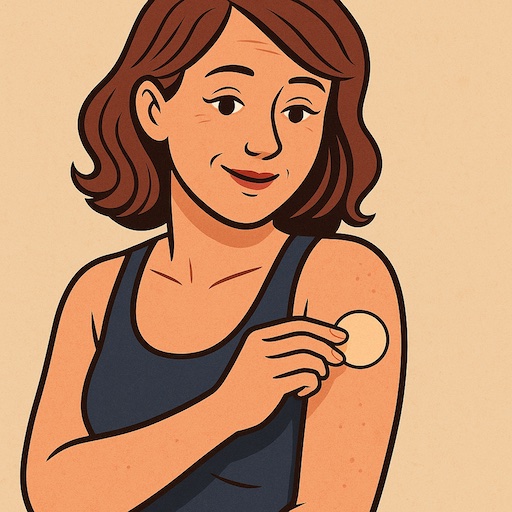
- Choose the right form of estrogen for you. Estrogen comes in many forms — pills, skin patches, gels, vaginal creams, and inserts like rings or tablets. If your symptoms are mainly vaginal, a low-dose local treatment (such as a cream or ring) is often more suitable than a pill or patch.
- Use the lowest effective dose. The goal is to take just enough estrogen to relieve symptoms, for the shortest duration needed. That said, women under 45 may need higher doses to replace estrogen lost too early.
- Attend regular check-ups. Ongoing medical follow-up is important. Your healthcare provider can help reassess whether you still need HT and check for any potential issues. Keep up with routine screenings like mammograms, blood pressure checks, and cervical screening.
- Maintain a healthy lifestyle. HT works best when paired with habits that support your overall well-being. Stay active, eat a balanced diet, manage your weight, avoid smoking, limit alcohol, and try to keep stress levels in check.
- Take progestogen if needed. If you still have your uterus, estrogen alone may increase the risk of uterine cancer. Adding a progestogen (such as progesterone) helps protect your uterus. Your healthcare provider will help find the best combination for you.
Thinking About Stopping Hormone Therapy?
There’s no set rule for how long to stay on hormone therapy. Some women choose to stop after 4–5 years due to concerns about breast cancer risk. Others may continue longer or switch to a lower dose or different form.
If you decide to stop, tapering slowly — over months or even years — might make the transition easier and reduce the chance of hot flashes returning. But every woman is different.
If your symptoms come back and affect your quality of life, you and your healthcare professional can reassess whether continuing HT is the right choice for you. As you age, it's important to regularly revisit the benefits and risks together.
Note: This guidance is based on information from the Menopause Society and other expert sources. Always consult a healthcare professional for personalised advice.

Summary
Menopause hormone therapy (HT) can be an effective treatment for symptoms like hot flushes, night sweats, and vaginal dryness. It may also offer benefits such as protecting against bone loss and reducing the risk of certain health conditions in women who go through menopause early. HT is most effective and safest when started before age 60 or within 10 years of menopause.
However, HT isn’t suitable for everyone. Women with certain health conditions — including breast or uterine cancer, liver disease, blood clots, or unexplained vaginal bleeding — should avoid hormone therapy. While side effects like breast tenderness, nausea or irregular bleeding may occur, they are often manageable by adjusting the dose or type of hormone.
For women who cannot take HT, there are alternatives such as lifestyle changes, weight loss, cognitive behavioural therapy, and non-hormonal medications to manage symptoms. Local treatments, like vaginal moisturisers or prescription options like ospemifene or prasterone, may help with vaginal discomfort.
For those on HT, using the lowest effective dose for the shortest necessary duration, choosing the right delivery method, maintaining a healthy lifestyle, and having regular check-ups can help reduce risks and improve outcomes. There’s no one-size-fits-all answer for when to stop HT—decisions should be made with a healthcare professional based on personal needs and ongoing assessment of benefits versus risks.